I know that Carolyn is a longtime Middle East peace activist. Until this week, I had no idea she had been a journalist, too. The death of reporter James Foley affected her personally, and I would have realized that if I'd known her background.
I learn something old every day.
Sure, there are new social media platforms to try out and techniques to learn. Scientists make new discoveries about what goes on inside the brain and outside the galaxy. New books come out and demand to be read. New pop phenomena spring up and dry out like summer lilies in the fall.
Often, though, it's the old stories we should listen to most urgently, and the old realities we should try to understand. The death of Michael Brown in Ferguson, Missouri at the hands of a police officer is this week's news, but it's a very old story.
To understand it, we have to know about the history of Jim Crow, and of slavery. To evaluate the media coverage, we have to remember--or find out--how various white-owned media have covered racially marked stories, from the OJ Simpson trial to the Clarence Thomas hearings. We need to know black media covered them, too, and how that created a divide between our perceptions of what actually happened. (Just as important, we need to know what stories we haven't heard.)
Yes, that's a lot to find out. Yes, the quest to understand will never end. But if we are going to be able to look our neighbors in the face, let alone live and work together, we must learn something old every day. (And when I say "we," I start with myself.)
Showing posts with label social media. Show all posts
Showing posts with label social media. Show all posts
Thursday, August 21, 2014


Wednesday, October 30, 2013
We First, by Simon Mainwaring: a review

There's a lot to like about Simon Mainwaring's We First. This former advertising executive pulls no punches. He tells his former clients that the way they do business has got to go.
Capitalism, Mainwaring points out, is flawed as a system. It leads to class rule, booms, bubbles, and busts. It promotes selfishness and greed. It sacrifices workers and their families and despoils the environment in a short-sighted grab for immediate profit. Capitalism is not sustainable, neither economically, environmentally, or ethically.
I agree with all of this, and I believe that if every reform Mainwaring proposed were put into practice, we would all be better off. Yet I finish the book profoundly dissatisfied.
This book proposes that:
- By changing their mentality, corporate capitalists will be able to make "purpose" as important as profit.
- If they won't change on their own, social media-savvy consumers will be able to compel them.
- The changes they make will create the world we want to live in (and avoid the hell we're headed toward).
But none of these is true.
1. The profit motive is not a matter of mentality. It is the engine of capitalism. Yes, it may just be possible for global corporations to swear off some of the pollution and exploitation that has given them such extraordinary profits in the last thirty years--and it would be a good thing if they did. Always, though, they will feel the pressure to grow or die. Inexorably, they will be forced to push products at the expense of people and the planet. Only a countervailing pressure will force them to put "we first."
2. Consumers on social media can embarrass corporations. We can cost them money by ruining their reputation and reducing their sales. And we should. But this is not enough to compel real change. Mainwaring himself cites the danger of "greenwashing": businesses adopting feel-good policies that don't ultimately change their environmental impact (or simply donating to good causes to buy themselves a better reputation). Corporate PR has kept many the company profitable despite its terrible labor practices. Consumers can add to, but not replace, government regulation, social activism, and labor unions. (Mainwaring never mentions unions. It is a telling silence.)
3. Even if corporations make huge changes in the direction that Mainwaring calls for--and it would be a good thing if they did--they would still be in charge. That means they'd make those changes on the schedule and in the way they find best--not what's best for the rest of us. It's not just corporate greed that's unsustainable. It's corporate power as well.
I give credit to the author for recognizing that capitalism is the problem. I fault him for his naivete in thinking capitalism can be the solution.
Thursday, June 27, 2013
My Communicate! Blog
You may have noticed that in this blog, Welcome to My World, I've gone back to musing and ranting about Jewish and political topics from my personal perspective.
I've moved the more professional topics (about social media, writing, and communications strategy and technique) to a new Communicate! site: http://dennisfischman.wordpress.com.
If you're interested in any of those topics, you're invited to follow that blog too. And if you're not, just stick with this one. I've got plenty of good things for you to read coming out in July. Thanks for reading me!
I've moved the more professional topics (about social media, writing, and communications strategy and technique) to a new Communicate! site: http://dennisfischman.wordpress.com.
If you're interested in any of those topics, you're invited to follow that blog too. And if you're not, just stick with this one. I've got plenty of good things for you to read coming out in July. Thanks for reading me!
Tuesday, April 30, 2013
The Nonprofit Marketing Guide, by Kivi Leroux Miller: a review
Kivi Leroux Miller feels your pain. And she wants to help.
You work at a nonprofit organization. Either it's too small to have a communications department or nobody has recognized the need to market what you do until now. You've recognized the need, but you feel daunted. There are so many things you could do...and the so-called experts want you to do all of them yesterday!
Where do you get started? How much can you do? What will work best for your group and its cause? You don't need theory or grandiose notions. You need a friend who's been there and can guide you through the process. Kivi wants to be that friend.
Throughout this book, you will hear great advice that you can put to use right away. If you love the idea of a "quick and dirty marketing plan," this is the book for you.
Be warned, though: "quick" is a relative term. There are no magic wands to wave and no lamps to rub to get a genie to do the work for you. This book will give you a good sense of what you need to do to be ready to plan and of all the resources--mostly time--that you'll need to turn that plan into reality. Knowing all that ahead of time will reassure you. You'll be able to see the road ahead.
As you go on reading the book, I predict that you'll stop feeling daunted and start feeling excited. You'll see that (in Miller's words), you can do it yourself without doing yourself in. The later chapters of the book offer excellent advice on how to organize your efforts, how to take advantage of outside help when you need it, and "where to spend your limited dollars and where to scrimp."
In other words, all the things you'd ask a trusted, wise advisor if you could sit down with her over lunch? They are either in this book or on her blog. Spend some time with each. Then get started.
You work at a nonprofit organization. Either it's too small to have a communications department or nobody has recognized the need to market what you do until now. You've recognized the need, but you feel daunted. There are so many things you could do...and the so-called experts want you to do all of them yesterday!
Where do you get started? How much can you do? What will work best for your group and its cause? You don't need theory or grandiose notions. You need a friend who's been there and can guide you through the process. Kivi wants to be that friend.
Throughout this book, you will hear great advice that you can put to use right away. If you love the idea of a "quick and dirty marketing plan," this is the book for you.
Be warned, though: "quick" is a relative term. There are no magic wands to wave and no lamps to rub to get a genie to do the work for you. This book will give you a good sense of what you need to do to be ready to plan and of all the resources--mostly time--that you'll need to turn that plan into reality. Knowing all that ahead of time will reassure you. You'll be able to see the road ahead.
As you go on reading the book, I predict that you'll stop feeling daunted and start feeling excited. You'll see that (in Miller's words), you can do it yourself without doing yourself in. The later chapters of the book offer excellent advice on how to organize your efforts, how to take advantage of outside help when you need it, and "where to spend your limited dollars and where to scrimp."
In other words, all the things you'd ask a trusted, wise advisor if you could sit down with her over lunch? They are either in this book or on her blog. Spend some time with each. Then get started.
Sunday, April 28, 2013
Robin Hood Marketing, by Katya Andresen: a review.
You care passionately about something. You want other people to get involved. You want their time, money, ideas, commitment. How do you reach them? Do you send out mail? Work on your website? Go deep on Facebook, Twitter, Pinterest, Instagram? Sometimes it seems as if there's a new way to reach out to people every day. How do you figure out what will really work for you?
Stop. Take a deep breath. Now, read Katya Andresen's Robin Hood Marketing: Stealing Corporate Savvy to Sell Just Causes.
Andresen, chief operating officer and chief strategy officer of Network for Good, has been a journalist, a marketer, and a nonprofit executive. She doesn't let the latest fad distract her. She gets right to the point. And the point is that good causes will not sell themselves--we have to use the most effective approaches to market them.
Read the book for the "Robin Hood rules" she has robbed from the rich for-profit world and adapted for use by nonprofits. Chief among those rules are "focus on getting people to do something specific" and "appeal to your audience's values, not your own."
Raising awareness is not enough: what action do you want people to take? And making converts to the cause is too much, at least all in one step. Get people to do something good for their own reasons (because of how the good action makes them feel about themselves, for instance). They'll be more likely to listen to your reasons later. But even if they don't, she asks, do you want to change minds or do you want to change the world?
Read the book for a guide on how to plan your communications. Step by step, Andresen shows you how to get to know your audience, your competition for support, and your potential partners, and how to shape your message to make a case that will connect with people and lead them to act.
Read the book for excellent tips drawn from case studies and interviews. Read it in order to ask yourself the right questions. For example:
My one reservation about this book is the same one that's been coming up in my mind as I read a lot of books about communications, marketing, or psychology lately--even books I really like, such as the Heath brothers' Switch and Made to Stick, and Beth Kanter and Allison Fine's The Networked Nonprofit. These books offer great ideas on how to change an individual's behavior, or even a lot of individuals' behavior. But that is not the same thing as social change.
Social change generally means going up against entrenched structures of power. Reading these books, you would never imagine that capitalism, racism, sexism, and tightly defined norms around gender affected anybody's lives. You would think that getting people to smoke less, use condoms, eat healthier diets, and donate to good organizations would revolutionize the way we live.
Perhaps it's just that social change is outside the scope of these books. But the authors market the books as if social change would come from better communications strategies alone. That's selling their books too hard. They are worthwhile to read on their own merits. People working for just causes need and should take advantage of the savvy that Katya Andresen supplies.
Stop. Take a deep breath. Now, read Katya Andresen's Robin Hood Marketing: Stealing Corporate Savvy to Sell Just Causes.
Andresen, chief operating officer and chief strategy officer of Network for Good, has been a journalist, a marketer, and a nonprofit executive. She doesn't let the latest fad distract her. She gets right to the point. And the point is that good causes will not sell themselves--we have to use the most effective approaches to market them.
Read the book for the "Robin Hood rules" she has robbed from the rich for-profit world and adapted for use by nonprofits. Chief among those rules are "focus on getting people to do something specific" and "appeal to your audience's values, not your own."
Raising awareness is not enough: what action do you want people to take? And making converts to the cause is too much, at least all in one step. Get people to do something good for their own reasons (because of how the good action makes them feel about themselves, for instance). They'll be more likely to listen to your reasons later. But even if they don't, she asks, do you want to change minds or do you want to change the world?
Read the book for a guide on how to plan your communications. Step by step, Andresen shows you how to get to know your audience, your competition for support, and your potential partners, and how to shape your message to make a case that will connect with people and lead them to act.
Read the book for excellent tips drawn from case studies and interviews. Read it in order to ask yourself the right questions. For example:
- What can we ask people to do that will be "fun, easy, popular, and rewarding"? (for supporters)
- "Who wins when we win?" (for partners)
- How can we supply information that is expert, fast, first, accurate, and tells a good story? (for journalists--they are a target audience too!)
My one reservation about this book is the same one that's been coming up in my mind as I read a lot of books about communications, marketing, or psychology lately--even books I really like, such as the Heath brothers' Switch and Made to Stick, and Beth Kanter and Allison Fine's The Networked Nonprofit. These books offer great ideas on how to change an individual's behavior, or even a lot of individuals' behavior. But that is not the same thing as social change.
Social change generally means going up against entrenched structures of power. Reading these books, you would never imagine that capitalism, racism, sexism, and tightly defined norms around gender affected anybody's lives. You would think that getting people to smoke less, use condoms, eat healthier diets, and donate to good organizations would revolutionize the way we live.
Perhaps it's just that social change is outside the scope of these books. But the authors market the books as if social change would come from better communications strategies alone. That's selling their books too hard. They are worthwhile to read on their own merits. People working for just causes need and should take advantage of the savvy that Katya Andresen supplies.
Thursday, March 14, 2013
"Three Ways You're Making Sure I Won't Read Your Tweet"
"It's like drinking from a fire hose," people say about social media. We all know the problem: there's so much information out there, how do I pick what to read? Or, from the writer's side: there are so many writers competing for an audience out there, how do I make sure that readers pay attention to what I say--or that they even notice it?
I've been following on Twitter since May 2012, and I've noticed contributors using the same few strategies for getting attention over and over again. They must work. In fact, some of them hook me. But I'm always sorry afterwards. Even if the content I read was worthwhile and useful, I feel a little soiled because of the way the writer lured me in the first place. Those sordid strategies include:
I've been following on Twitter since May 2012, and I've noticed contributors using the same few strategies for getting attention over and over again. They must work. In fact, some of them hook me. But I'm always sorry afterwards. Even if the content I read was worthwhile and useful, I feel a little soiled because of the way the writer lured me in the first place. Those sordid strategies include:
- Scare tactics. If you called me up on the phone and asked, "Are termites eating your foundations?", I'd say NO and hang up. I don't respond to a hard sell. I know it's not in my interest to do so. Same thing online. If the message is "Read this or your competitors will eat your lunch," I'm beginning to skip right by that tweet without opening the link. I'll take my chances on missing a bit of information just to avoid being taken for a sucker.
- Negativity. "How your blog is turning people off." "The mistakes you're making on Facebook." Now, I'm not perfect. I know I have a lot to learn. But couldn't you possibly present me with an opportunity to do better, instead of telling me that everything I'm doing is wrong?
- Arbitrary numbers. Nothing wrong with presenting a list of four questions, or top ten links, or twenty-two websites...except that everybody's doing it. After a while, all these numbers run into each other and blur. They sound like a gimmick, and they are. Can we possibly save numbers for when they matter?
Thursday, February 7, 2013
Chopsticks, Hammers, and Social Media
My dear father could never master the use of chopsticks. He resented people who did. Whenever we went out to a Chinese restaurant and other people reached for the sticks, he would grumble, "A fork has always been good enough for me. I don't know why it's not good enough for you."
I think of my father sometimes when I hear colleagues ask why they need to use social media. I'm a big believer in print, video, and face-to-face contact myself, but I have to wonder: how much resistance to adopting social media comes from the fear that we won't use them well? That we'll be still dabbing away with tools we don't understand while other people have eaten our lunch?
This fear is unnecessary. Anyone can learn to use social media well enough for company. Once we stop worrying about how to master them, then we can really ask why--and get good answers.
Contrary to what enthusiasts sometimes think, it is not self-evident why organizations should use social media. I see people who leap on board each social media trend as it comes along. They remind me of the saying, "To the person who owns a hammer, everything looks like a nail." Social media are tools. One size doesn't fit all. We need to know what they can do, and what we want to accomplish. Then, we can pick the right tool for the job.
Here are some questions we can ask ourselves to figure out what we really need, whether we are communications conservatives or early adopters:
I think of my father sometimes when I hear colleagues ask why they need to use social media. I'm a big believer in print, video, and face-to-face contact myself, but I have to wonder: how much resistance to adopting social media comes from the fear that we won't use them well? That we'll be still dabbing away with tools we don't understand while other people have eaten our lunch?
This fear is unnecessary. Anyone can learn to use social media well enough for company. Once we stop worrying about how to master them, then we can really ask why--and get good answers.
Contrary to what enthusiasts sometimes think, it is not self-evident why organizations should use social media. I see people who leap on board each social media trend as it comes along. They remind me of the saying, "To the person who owns a hammer, everything looks like a nail." Social media are tools. One size doesn't fit all. We need to know what they can do, and what we want to accomplish. Then, we can pick the right tool for the job.
Here are some questions we can ask ourselves to figure out what we really need, whether we are communications conservatives or early adopters:
- Who are we trying to reach?
- Where does our audience spend its time, and how do they like to get their information?
- What can we do for them?
- What are we hoping to get them to do?
- How much time can we invest?
Wednesday, January 30, 2013
"How to Find a Job on LinkedIn..." by Brad & Debra Schepp
If you have never used LinkedIn, read this book. If you have used LinkedIn for years (as I have), read this book! Go through it with your web browser open to LinkedIn. You will keep looking back and forth between book and screen and finding ways to:
It is amazing that a book published in April 2012 can contain any out-of-date information, but social media sites change so rapidly that the printed word cannot keep up. Usually, if the book says a feature is on LinkedIn (or Facebook, etc.), it is still there--you may just have to look in a different menu to find it. Then there are things that really have changed, like LinkedIn no longer letting you display a reading list. (I had to do an online search to find out that it was really gone from the site and I wasn't just overlooking it.)
The book is most useful for ideas on how to use these sites, rather than specific techniques. That's the advantage the Schepps bring to their readers. They know what works. We can figure out how. I am having a wonderful time doing just that.
- Make your profile more expressive of what you can do, and more attractive to employers.
- Expand the network of people that you can rely on for advice, information, and referrals.
- Build a reputation for being an expert in your field--and a helpful person whom people want to help in return.
- Find companies you want to work for and people there who might be willing to talk with you.
- Actually apply for jobs using your LinkedIn profile, which can include a lot more than a printed resume can do.
- Receive thoughtful answers to your questions about how to do the job, once you get it.
It is amazing that a book published in April 2012 can contain any out-of-date information, but social media sites change so rapidly that the printed word cannot keep up. Usually, if the book says a feature is on LinkedIn (or Facebook, etc.), it is still there--you may just have to look in a different menu to find it. Then there are things that really have changed, like LinkedIn no longer letting you display a reading list. (I had to do an online search to find out that it was really gone from the site and I wasn't just overlooking it.)
The book is most useful for ideas on how to use these sites, rather than specific techniques. That's the advantage the Schepps bring to their readers. They know what works. We can figure out how. I am having a wonderful time doing just that.
Thursday, January 3, 2013
Resolve to Communicate Better in 2013!
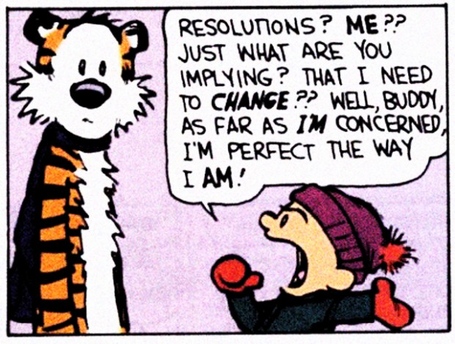
It’s a new year. Here are ten resolutions that every
organization should make to improve their communications in 2013.
- Google yourself. What are the first things people see about you? Would you support the group you see on screen?
Saturday, August 11, 2012
Review of The Networked Nonprofit:Connecting with Social Media to Drive Change
Beth Kanter and Allison Fine have a warning and a promise for nonprofits. The warning: with the rise of social media (and a generation that's used to quick and transient support for the cause of the moment), your old models are not going to work much longer. Don't count on gaining new supporters who will be loyal for life. If you don't adapt, you're toast.
The promise: if you narrow your work, open your books, and collaborate with other agencies and key individual actors, using social media, you may be able to get more done than ever before.
The book is full of real-life examples and checklists to help you put its lessons into practice. Some of the examples are negative, like the organization that didn't want to let its young professionals group create a Facebook page that the organization didn't control. (We should be happy if people want to spend time talking about our organizations!) Others are positive, like Planned Parenthood's use of its website and pages on Facebook and MySpace to let "individuals share their personal stories in their own words, images, and videos." On the website www.networkednonprofit.org, they keep readers up to date with current thinking and provide more tools.
The Networked Nonprofit also includes helpful chapters on how (and how not to) use crowdsourcing, learning loops, online fundraising, and online tools for governance of your organization.
I do have some reservations about the book. One assumption behind it is that the Millennial generation, or Generation Y, will keep on surfing from cause to cause and not form abiding loyalties to particular organizations as Baby Boomers like me have done. I distinctly remember acting the same way when I was in my twenties and thirties--even without the aid of the World Wide Web. As my dear wife Rona Fischman says, people create their own grooves and fall into them. I am not sure that's going to change. But that means it's even more important to meet young supporters in their chosen media, on their terms, now, so they will stick with us in the future.
The other reservation is about "Sticking to what they do best." This is Kanter and Fine's idea of how you become more effective AND become a good citizen of the "ecosystem" of groups working on your issue. They say:
The promise: if you narrow your work, open your books, and collaborate with other agencies and key individual actors, using social media, you may be able to get more done than ever before.
The book is full of real-life examples and checklists to help you put its lessons into practice. Some of the examples are negative, like the organization that didn't want to let its young professionals group create a Facebook page that the organization didn't control. (We should be happy if people want to spend time talking about our organizations!) Others are positive, like Planned Parenthood's use of its website and pages on Facebook and MySpace to let "individuals share their personal stories in their own words, images, and videos." On the website www.networkednonprofit.org, they keep readers up to date with current thinking and provide more tools.
The Networked Nonprofit also includes helpful chapters on how (and how not to) use crowdsourcing, learning loops, online fundraising, and online tools for governance of your organization.
I do have some reservations about the book. One assumption behind it is that the Millennial generation, or Generation Y, will keep on surfing from cause to cause and not form abiding loyalties to particular organizations as Baby Boomers like me have done. I distinctly remember acting the same way when I was in my twenties and thirties--even without the aid of the World Wide Web. As my dear wife Rona Fischman says, people create their own grooves and fall into them. I am not sure that's going to change. But that means it's even more important to meet young supporters in their chosen media, on their terms, now, so they will stick with us in the future.
The other reservation is about "Sticking to what they do best." This is Kanter and Fine's idea of how you become more effective AND become a good citizen of the "ecosystem" of groups working on your issue. They say:
A common refrain within nonprofit organization and by nonprofit staffers is, "How can I make my life simpler when I have so much to do?" The answer is, well, simple: You have too much to do because you do too much. (p.89)I have a lot of respect for the wisdom of this observation. At the same time, social problems are complicated. If each group sticks to what it does best, who's looking out for the whole? The authors would probably say that if you're not trying to DO it all, you have time to engage in those strategic conversations. They are refreshingly frank that "It's too soon to tell whether and how the outcomes of Networked Nonprofits differ from their predecessors...." Anyone who is interested in finding out, however, should read this book.
Friday, June 1, 2012
"Transparency is the New Black"
Review of Share This!
Deanna Zandt has written a wonderful guide to social networks for people who don't feel at home there. She explains what's new about building relationships through Facebook, LinkedIn, Twitter and the like, and she encourages us all to participate.
"Sharing is daring," she says. By putting more of yourself out there, within limits that you consciously set, you increase your credibility with people who are just getting to know you. As you become more well known, you win people's trust. At the same time, she argues, sharing personal and professional information helps build a better world. If someone reads and enjoys a tweet I send out about good communications AND they go to my blog and find my Jewish musings, then it registers that a person they respect can be serious about being Jewish (or gay, or a feminist, or...whatever you are. Fill in the blank.) It may be overstating things to say that this will change the world, as she does in her subtitle, but at least it will show what the world is already.
In any case, sharing more about ourselves is the direction we are all heading. "Transparency is the new black." So, better try it on and find a style of social networking that compliments you. In the Resources section of the book, you'll find tips for individuals and tactics for organizations that she recommends. Try a couple and see how they work for you.
Reading this book, I felt as if I were a traveler in a new and foreign country, with a helpful guide pointing out the landmarks and explaining local customs. At the same time, paradoxically, I felt as if I'd come home. Really being interested in other people, helping them with what they're doing, and offering them ways to help me too (or promote a cause we both care about): this is what I've always done.
Back in 1986, when Rona answered a personal ad I'd placed in a newspaper, I realized that we already had met through the local chapter of a progressive Jewish organization. It would have been very awkward if I had kept that to myself and didn't tell her that right away when I wrote her back. By letting her know, not only did I show that I cared about honesty in relationships right from the start. I also (not realizing it at the time) let her see that she knew people who knew me and shared some of the same values that moved me. That was the basis for beginning to trust me. Reader, she married me.
Organizations are also looking to woo people, and they will have to open up more to build lasting relationships with volunteers, supporters, donors, customers, or investors. I would like to focus on helping them do it, online and off.
Deanna Zandt has written a wonderful guide to social networks for people who don't feel at home there. She explains what's new about building relationships through Facebook, LinkedIn, Twitter and the like, and she encourages us all to participate.
"Sharing is daring," she says. By putting more of yourself out there, within limits that you consciously set, you increase your credibility with people who are just getting to know you. As you become more well known, you win people's trust. At the same time, she argues, sharing personal and professional information helps build a better world. If someone reads and enjoys a tweet I send out about good communications AND they go to my blog and find my Jewish musings, then it registers that a person they respect can be serious about being Jewish (or gay, or a feminist, or...whatever you are. Fill in the blank.) It may be overstating things to say that this will change the world, as she does in her subtitle, but at least it will show what the world is already.
In any case, sharing more about ourselves is the direction we are all heading. "Transparency is the new black." So, better try it on and find a style of social networking that compliments you. In the Resources section of the book, you'll find tips for individuals and tactics for organizations that she recommends. Try a couple and see how they work for you.
Reading this book, I felt as if I were a traveler in a new and foreign country, with a helpful guide pointing out the landmarks and explaining local customs. At the same time, paradoxically, I felt as if I'd come home. Really being interested in other people, helping them with what they're doing, and offering them ways to help me too (or promote a cause we both care about): this is what I've always done.
Back in 1986, when Rona answered a personal ad I'd placed in a newspaper, I realized that we already had met through the local chapter of a progressive Jewish organization. It would have been very awkward if I had kept that to myself and didn't tell her that right away when I wrote her back. By letting her know, not only did I show that I cared about honesty in relationships right from the start. I also (not realizing it at the time) let her see that she knew people who knew me and shared some of the same values that moved me. That was the basis for beginning to trust me. Reader, she married me.
Organizations are also looking to woo people, and they will have to open up more to build lasting relationships with volunteers, supporters, donors, customers, or investors. I would like to focus on helping them do it, online and off.
Monday, May 28, 2012
The First Step
I'm 55 pages into Deanna Zandt's Share This! I've had two big surprises so far. One is that the book has said very little about techniques or tactics for using social media: it's mainly about the attitude you bring to it. I tried to summarize that attitude in my very first tweet:
Surprise #2: most of this is what I do already, face to face. I would never dream of walking into a room and telling everybody, "Listen to me because what I have to say is the most important thing"--so why would I walk online and do that? And on the positive side: I try to share information and ideas and make introductions that I thing people would benefit from. Does it really matter whether I do that face to face, on the phone, by email, or on Facebook or LinkedIn?
Recipe for good conversation: Listen. Ask questions. Pay attention to answers. Contribute when you can keep the conversation going.(And, I might add, be yourself. Not necessarily your whole self, everywhere, all the time...but nothing but yourself. People will trust you partly because you show you consider them trustworthy.)
Surprise #2: most of this is what I do already, face to face. I would never dream of walking into a room and telling everybody, "Listen to me because what I have to say is the most important thing"--so why would I walk online and do that? And on the positive side: I try to share information and ideas and make introductions that I thing people would benefit from. Does it really matter whether I do that face to face, on the phone, by email, or on Facebook or LinkedIn?
Subscribe to:
Posts (Atom)

